GETH the Quality You Can Trust!

Getting to Know Blood Types, Blood Donation, and Blood Storage Processes at PMI
Let’s Take a Look!
Admin
9/24/20253 min read
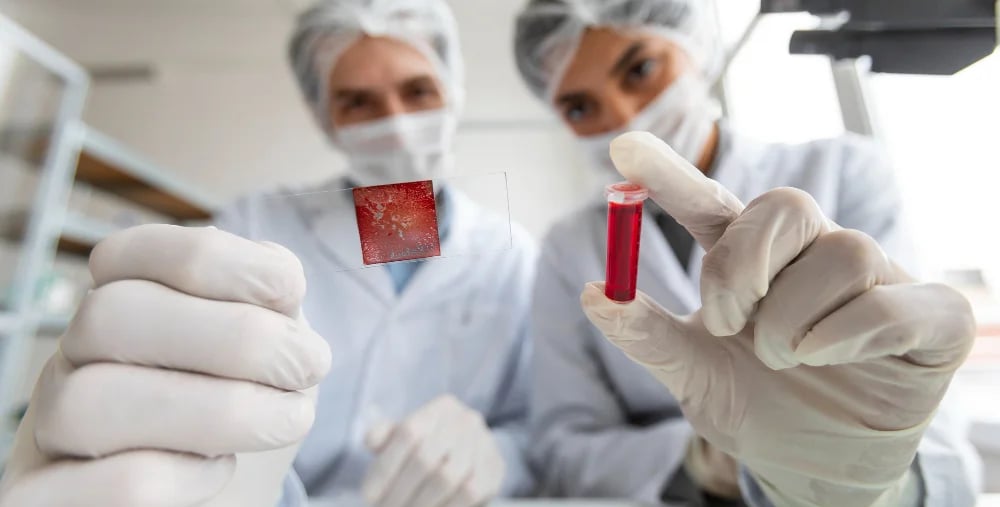
Blood types and blood donation are two very important aspects in the healthcare field. Without blood donation, many patients would not be able to receive the treatment they need, especially in cases of accidents, surgeries, or chronic diseases. In Indonesia, the Indonesian Red Cross (PMI) plays a major role in collecting, storing, and distributing blood to save lives. This article will explain in more detail about blood types, the importance of blood donation, and how blood is stored at PMI.
Understanding Blood Types
Blood type refers to the classification of blood that each individual has, determined by the antigens present on the surface of red blood cells. Blood types are classified into four main groups:
Blood Type A: Has A antigens on the surface of red blood cells and B antibodies in the plasma.
Blood Type B: Has B antigens on the surface of red blood cells and A antibodies in the plasma.
Blood Type AB: Has both A and B antigens on the surface of red blood cells but does not have A or B antibodies in the plasma. This blood type is known as the universal recipient.
Blood Type O: Does not have A or B antigens on the surface of red blood cells but has both A and B antibodies in the plasma. Blood type O is known as the universal donor, meaning its blood can be given to all blood types.
In addition, blood types are also categorized based on the Rhesus (Rh) factor, which can be either positive (+) or negative (-). Most of the world’s population has Rh-positive blood, while Rh-negative blood is relatively rare.
The Importance of Blood Donation
Blood donation is the process of giving a portion of one’s blood to be used for transfusions for those in need. Donated blood can help in various medical asituations, such as:
Patients undergoing major surgery
Cancer patients who require blood transfusions after chemotherapy
Accident victims who have lost a significant amount of blood
Mothers experiencing bleeding during childbirth
One bag of donated blood can save up to three lives, as it can be separated into several components—such as red blood cells, plasma, and platelets—each of which can be used to treat different medical conditions.
Blood Donation Process at PMI
In Indonesia, the Indonesian Red Cross (PMI) is the organization responsible for collecting, storing, and distributing blood from donors. Below is the general blood donation process at PMI:
Registration: Donors are asked to fill out a form regarding their health condition and medical history.
Health Screening: PMI medical staff conduct a basic health check, including blood pressure measurement, hemoglobin level testing, and a review of medical history to ensure the donor is in good condition.
Donation Process: If the donor is declared eligible, the blood donation process begins. Typically, about 350–450 ml of blood is collected, and the process takes approximately 10–15 minutes.
Recovery: After completion, donors are provided with light refreshments and drinks to help restore their energy.
Blood Storage at PMI
After blood is donated, it is not used immediately. Instead, it undergoes strict testing and storage procedures at PMI to ensure its quality and safety. Below are the steps taken by PMI in managing collected blood:
Laboratory Testing
Donated blood is tested to detect infectious diseases such as HIV, hepatitis B and C, and syphilis. Only blood that passes these tests will be stored and used.
Blood Component Processing
Donated blood is separated into several components, including:
Red Blood Cells: Can be stored for up to 42 days in refrigerated conditions.
Plasma: Can be frozen and stored for up to 1 year.
Platelets: Typically stored in specialized incubators and only last for about 5 days.
Storage and Distribution
After processing, these blood components are stored in specialized facilities that meet blood storage standards. When hospitals or patients require transfusions, the blood is distributed according to demand.