GETH the Quality You Can Trust!

Blood Transfusion Brings New Hope from Every Drop of Life
Let’s Take a Look!
Admin
12/24/20245 min read
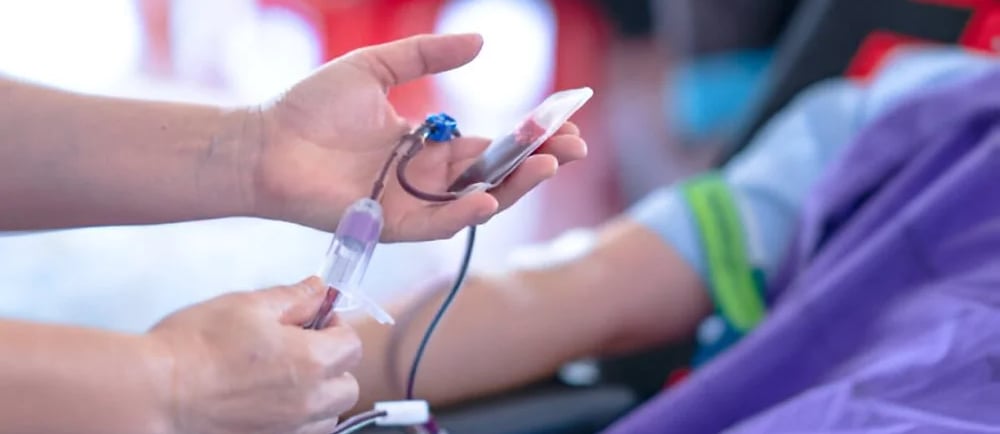
Blood transfusion is one of the medical procedures that has saved millions of lives around the world. This procedure is commonly performed to replace blood lost due to bleeding, treat blood disorders, or support patients with certain medical conditions such as severe anemia, hemophilia, or cancer. Blood transfusion has become an inseparable part of modern healthcare due to its crucial role in saving lives and improving patients’ quality of life.
However, do you know what actually happens in the body after a blood transfusion is performed? This process involves the body adapting to the newly received blood, whether in the form of red blood cells, plasma, or platelets. Each blood component plays a specific role in helping the body restore its normal functions. In addition, blood transfusion would not be possible without blood donors who willingly give their blood to help others.
Through this article, we will discuss in depth how the body responds to blood transfusions, the medical benefits they provide, and the importance of blood donation as a real action in saving lives. This article is also expected to inspire more people to donate blood, as this small act has a tremendous impact in bringing hope to those in need.
What Happens to the Body After a Blood Transfusion?
After a blood transfusion, the body begins to receive and utilize the transfused blood components to restore impaired bodily functions. Below is an explanation of the processes that occur based on the type of blood component transfused:
Red Blood Cells
This component is responsible for carrying oxygen throughout the body. When a patient receives a red blood cell transfusion, the body immediately begins circulating the new blood through the blood vessels. This process increases hemoglobin levels, which are responsible for oxygen transport. Patients who were previously weak due to anemia often experience an increase in energy within just a few hours after the transfusion.
Plasma
As the main liquid component of blood, plasma contains essential proteins such as albumin, immunoglobulins, and clotting factors. In patients with clotting disorders or those who have lost a large amount of blood, plasma transfusion helps normalize blood clotting function and prevent further bleeding.
Platelets
Patients with low platelet counts—such as those with cancer or dengue fever—greatly benefit from platelet transfusions. This component helps restore blood clotting mechanisms, stop bleeding, and accelerate wound healing. The body automatically adapts to the newly transfused blood, provided that the blood type is compatible. This adaptation ensures that the new blood integrates smoothly with the body’s system without triggering rejection or allergic reactions.
Benefits of Blood Transfusion for Patients
Blood transfusion provides various benefits that can be directly felt by patients, including:
Treating Acute and Chronic Anemia
In patients with severe anemia, blood transfusions help replace lost red blood cells, allowing patients to return to normal activities. For example, patients with thalassemia who require frequent transfusions often experience increased energy levels after the procedur
Saving Patients in Emergency Situations
In situations such as accidents, postpartum hemorrhage, or major surgeries, blood transfusion serves as a rapid solution to replace lost blood and prevent serious complications such as hypovolemic shock.
Improving the Healing Process
For patients with blood clotting disorders such as hemophilia or those with low platelet counts, transfusions help accelerate wound healing and prevent further bleeding.
Enhancing Quality of Life
For patients with chronic illnesses such as leukemia or cancer, regular blood transfusions help maintain bodily function balance, enabling them to live more productive lives despite undergoing intensive treatments.
The Importance of Blood Donation in Supporting Transfusions
The benefits of blood transfusion experienced by patients would not be possible without the contribution of blood donors. Blood donors play a key role in ensuring the availability of safe and sufficient blood in blood banks. Below are the reasons why blood donation is so important:
Each Blood Donation Can Save Three Lives
One unit of donated blood can be separated into three main components: red blood cells, plasma, and platelets. Each component can be given to patients with different medical needs, allowing a single donor to benefit up to three people.
Donor Health Is Also Maintained
In addition to helping others, blood donation also provides health benefits for donors. The process stimulates the body to produce new blood cells, improves blood circulation, and helps monitor overall health through routine screenings conducted before donation.
Solidarity and Compassion for Others
Blood donation is a tangible act of humanitarian contribution. It reflects care for those in need, offers new hope, and creates a positive impact on society as a whole. By becoming a blood donor, you not only give others a chance at life but also become part of the solution in maintaining the availability of blood that is critically needed in various healthcare facilities.
Conclusion
From the blood transfusion process to its benefits, it is clear that blood donation plays an irreplaceable role. Blood transfusions have a tangible positive impact on patients’ bodies—ranging from increasing oxygen levels and improving blood clotting to enhancing overall quality of life. All of this is made possible by the kindness of donors who are willing to share life through their blood.
Blood transfusion is one of the most vital medical procedures in healthcare. This process not only saves lives but also provides new hope for patients who are battling serious medical conditions. Through blood transfusions, patients’ bodies can return to normal functioning, gain more energy, recover faster, and avoid serious complications.
However, none of these benefits would be possible without the contributions of blood donors. Every drop of donated blood symbolizes genuine care and solidarity. Blood donation is not merely about giving blood—it is about giving a second chance to those in need.
As a society, we must recognize the importance of blood donation and how this simple act can save many lives. Make blood donation a part of your lifestyle. In addition to helping others, donating blood also offers health benefits for donors, such as stimulating the production of new blood cells and enabling regular health monitoring.
Let us come together to become heroes of humanity. By donating blood, we not only save lives but also help build a more caring and hopeful society. One small step from you can create a significant change in the world.
References
Harmening, D. M. (2019). Modern Blood Banking and Transfusion Practices (7th ed.). F.A. Davis Company.
This book provides a detailed discussion of blood transfusion processes, their benefits for patients, and the importance of blood donation within the healthcare system.Daniels, G., & Bromilow, I. (2014). Essential Guide to Blood Groups (3rd ed.). Wiley-Blackwell.
This book explains blood groups and transfusion compatibility, including the effects of blood transfusion on the human body.World Health Organization (WHO). (2023). Blood Safety and Availability. Retrieved from https://www.who.int
WHO outlines the importance of blood donation and safe transfusion practices as part of global efforts to save lives.Zimring, J. C., & Spitalnik, S. L. (2019). Antibodies in transfusion medicine: Understanding and managing alloimmunization. Transfusion Medicine Reviews, 33(4), 180–185.
This article discusses the body’s immune response to transfused blood and the role of compatibility in successful transfusions.Ness, P. M., & Kaufman, R. M. (2021). Practical approaches to the blood transfusion chain. The New England Journal of Medicine, 385(15), 1427–1436.
This study reviews the transfusion process, its medical benefits, and the critical role of blood donors in healthcare systems.American Red Cross. (2023). How Blood Donation Helps Save Lives. Retrieved from https://www.redcross.org
This source explains the role of blood donors in providing blood for transfusions and highlights the benefits for both donors and patients.Sandler, S. G., & Eder, A. F. (2017). Errors in blood transfusion: Preventable risks and best practices. Transfusion, 57(8), 1917–1925.
This article emphasizes the importance of pre-transfusion testing and how it affects transfusion safety and success.Bhattacharya, P., & Basu, S. (2022). Infrastructural challenges in blood safety: A global perspective. Transfusion and Apheresis Science, 61(1), 102897.
This study discusses the importance of blood donation in maintaining safe and sufficient blood supplies worldwide.National Blood Authority (Australia). (2023). Guidelines for Pre-transfusion Testing. Retrieved from https://www.blood.gov.au
This source provides technical guidance on pre-transfusion testing and highlights the importance of donor blood quality for patient safety.Vyas, V., & Perkins, J. (2020). Economics of blood transfusion safety: Balancing costs and outcomes. Journal of Clinical Pathology, 73(12), 755–761.
This article reviews the economic impact of blood donation and transfusion safety within global healthcare systems.